



Introduction: when fog becomes a body
In 2024–25 Ella Fleck’s immersive installation Spray filled gallery spaces with a pheromone‑infused fog emitted from sculptural ducting. The work — which grew from a seven‑month research project in which Fleck adopted the fictional persona ‘Jonathan Michaels’ to explore online pheromone communities — grabbed attention not only for its ethereal visuals but for the way it used aerosol delivery as a contemporary performative technology. Shown in London (Season 4 Episode 6) and at the 15th Kaunas Biennial (Life After Life, 2025), Spray has become a lightning rod for debates about scent, presence and the aesthetics of mist in gallery contexts.
What’s trending
Across 2025–26 the art world has seen a clear turn toward immersive, multisensory work where scent and atmospheric fog play a central role. Curator and industry roundups (including features in Artsy, Maddox and Saatchi/Canvas) have flagged multisensory, material and handmade practices as a top trend for 2026 — with olfactory and aerosol elements singled out as especially resonant. Leading UK institutions that once reserved scent for small‑scale public programmes are now scheduling major, scent‑focused commissions: the V&A, the Wellcome Collection, York Art Gallery and a growing number of contemporary London exhibitions have included multisensory projects in their 2026 listings.
Core features of the trend
- Use of aerosol delivery systems (ducting, foggers, controlled misters) to shape atmospheres.
- Collaborations between artists, perfumers, engineers and health‑aware technicians to manage safety, intensity and dispersion.
- Research‑led approaches: works that reference online subcultures, bio‑sensory research or social practice (as Fleck’s research persona demonstrates).
- Institutional interest in the political and ethical dimensions of scent—surveillance, influence and embodied presence.
Why it matters
There are three overlapping reasons galleries and audiences are taking scent seriously now.
- Conceptual potency: artists like Fleck use pheromone fog as a conceptual hook — as she frames it, fog can let you "have a body or a person in a space without having a physical person there." That thought experiment reshapes ideas of presence, consent and social encounter in an era of remote and hybrid publics.
- Curatorial appetite for material experience: the 2026 roundups show a broader institutional pivot from purely visual spectacle to material, embodied practices. Scent and fog create unpredictable, relational encounters that resist simple reproduction on a screen.
- Technological crossover: aerosol delivery draws on engineering know‑how developed in other industries (including consumer vaping devices and humidification technologies). That cross‑pollination accelerates experimentation, but also brings ethical and safety questions to the fore.
Examples: from Fleck to Chisenhale
Ella Fleck, Spray (2024–25) — The installation’s sculptural ducting emitted a pheromone‑infused fog across gallery volumes. Fleck’s seven‑month immersion into pheromone communities under the persona Jonathan Michaels supplied both technical and social research, making the work a study of mediated attraction and collective atmosphere. Showing in London (Season 4 Episode 6) and later at the 15th Kaunas Biennial (Life After Life, 2025) helped place scent‑led practice on international curatorial radars.
Racheal Crowther, Chisenhale Gallery (commissioned 2025/26) — Crowther’s project explicitly investigates scent as a tool of influence, surveillance and institutional power. The Chisenhale commission marks a clear UK example where scent is treated as a material for critique rather than mere ambience.
These projects form part of a broader wave: biennials, alternative spaces and mainstream museums are commissioning artists who use aerosol atmospheres, perfumery techniques and engineered mists to interrogate presence, memory and control. Even where the technical delivery differs, the aesthetic lineage to consumer aerosol tech — the controlled, metered dispersion of volatiles into air — is unmistakable.
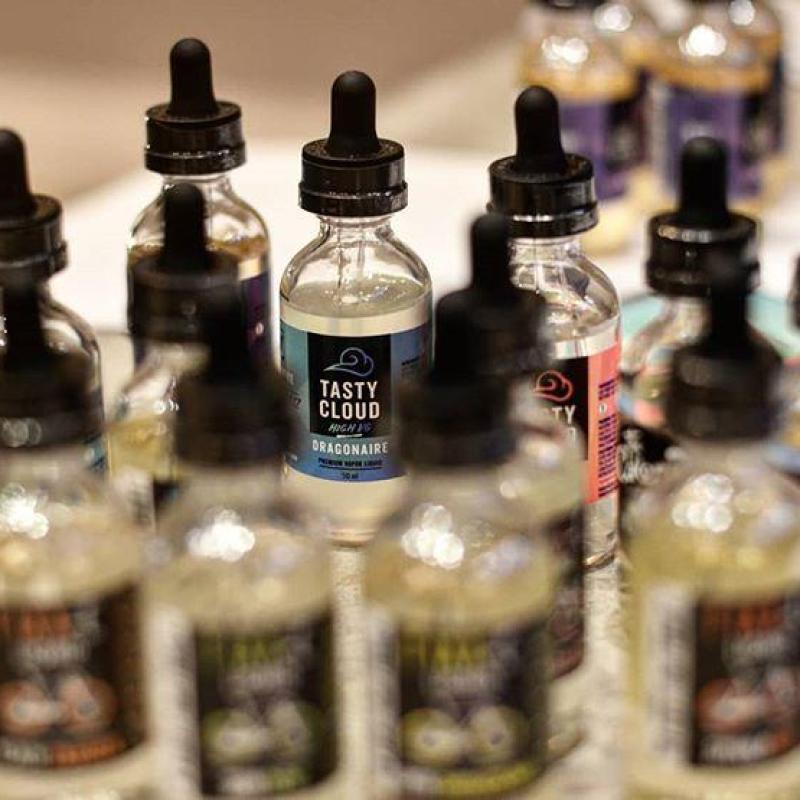
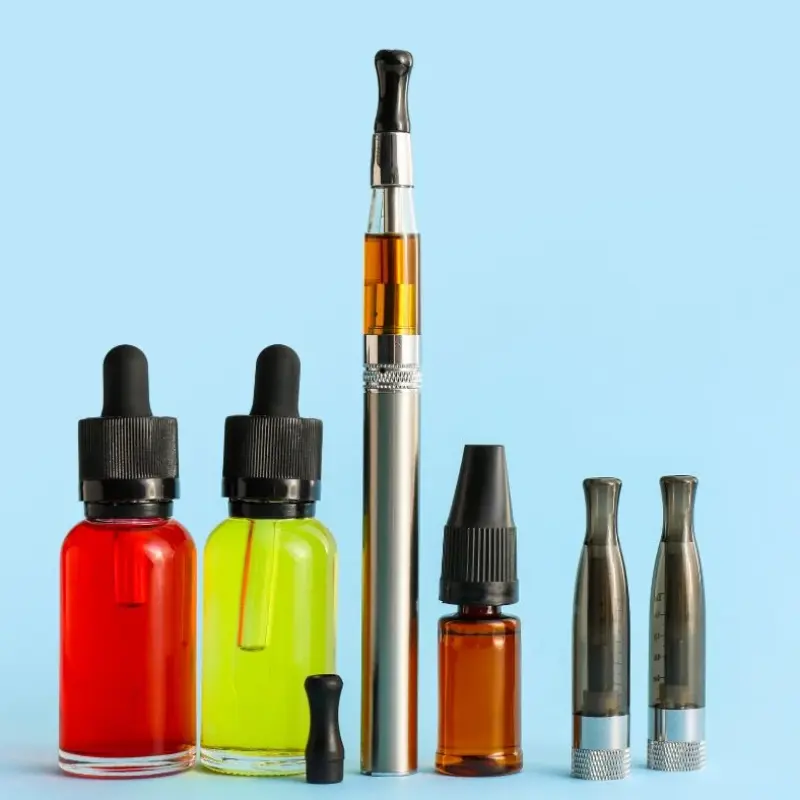
For readers curious about the mechanics behind aerosol aesthetics, there’s a consumer‑level analogue in how modern shortfills and refillable e‑liquids are formulated for consistent vapour and flavour. For instance, commercial shortfills such as 0mg Fantasi 100ml Shortfill E‑Liquid (70VG/30PG) or 0mg Big Bold Fruity Series 100ml Shortfill (70VG/30PG) show how industry‑grade fluids are blended for consistent aerosol behaviour — a technical vocabulary artists are increasingly borrowing when they design atmospheric installations.
Industry and safety: technical and ethical shifts
As scent installations move from fringe to mainstream, galleries are developing new procedures. Technical collaborations now routinely include ventilation modelling, exposure monitoring and explicit visitor consent signage. Ethical debates also intensify: what are the responsibilities of institutions when diffusing compounds that can trigger allergies, affect mood or simulate intimate social signals like pheromones? The presence of artists working with researchers and medical advisers in project teams is becoming standard practice.
Future outlook: where this trend goes next
Curators and publishers tracking 2026 trends predict continued appetite for sensory manipulation and immersive environments. Expect the following across UK programming in the next 2–3 years:
- More large‑scale commissions and museum shows that centre scent as a primary medium rather than a supplementary effect.
- Growing normativity around safety standards for scent dispersion and clearer visitor information protocols.
- Cross‑sector collaboration: perfumers, HVAC engineers, artists and consumer‑tech engineers (including those familiar with vaping hardware) working together to design precise atmospheres.
- Public discourse about the politics of influence, consent and surveillance via smell — a cultural conversation that artists like Fleck and Crowther are already prompting.
Conclusion
Ella Fleck’s Spray is more than a striking image of fog‑filled space; it’s a signal that galleries and institutions are ready to re‑engage with olfaction, aerosol and atmosphere in serious, research‑led ways. As mainstream venues in the UK program scent‑led works, the practice is moving from experimental fringe into the curatorial mainstream. That shift opens creative and critical possibilities — but it also requires careful technical and ethical stewardship. For audiences, artists and institutions alike, the crossover between vaping‑informed aerosol technology and contemporary art offers a productive, if sometimes uncomfortable, new language for thinking about presence, persuasion and the material politics of air.
Written for Vape Emporium — exploring how culture and technology collide in the galleries and on the street.