



Introduction
The landscape for vaping and quitting in the UK is changing fast. The government introduced a ban on single‑use disposable vapes from 1 June 2025 and has announced a Vaping Products Duty (VPD) coming into force on 1 October 2026. These measures aim to reduce youth uptake and environmental waste, but they also reshape how Stop Smoking Services operate and how adult smokers access e‑cigarette starter kits. This article unpacks the likely impacts, summarises official guidance from NHS/Better Health and public health bodies, and suggests how services and smokers can navigate the transition.
Policy overview: the 2025 disposable ban and the 2026 VPD
From 1 June 2025 the UK banned single‑use disposable vapes as part of a twofold strategy to curb youth vaping and reduce environmental harm. The government has also confirmed a Vaping Products Duty starting on 1 October 2026. HM Revenue & Customs (HMRC) estimated implementation costs of around £140 million and has signalled that the VPD will increase retail prices to make vaping less affordable for under‑18s.
Importantly, government guidance states the VPD will be accompanied by an equivalent rise in tobacco duty so price signals do not unintentionally push people back to cigarettes — a crucial point for public health planning.
What NHS, Better Health and public health bodies are saying
Despite these regulatory moves, NHS / Better Health (2026) continues to support vaping as a harm‑reduction option for adult smokers. Their guidance notes that almost two‑thirds of people who use a vape with support from a local Stop Smoking Service successfully quit smoking, underscoring the value of combining behavioural support with nicotine vaping products.
Similarly, NICE, the National Centre for Smoking Cessation and Training (NCSCT) and the Office for Health Improvement and Disparities (OHID) encourage services to incorporate nicotine vaping products into cessation pathways. E‑cigarettes remain unlicensed as NHS prescription medicines, but many local services offer free vaping starter packs as part of structured support.
Access to starter kits and affordability concerns
The introduction of a duty on vaping products will likely raise retail prices. Official impact assessments expect the VPD to reduce youth uptake and have a significant positive effect on population health. However, higher prices may also affect adult smokers who rely on affordable e‑cigarette kits to switch away from combustible tobacco.
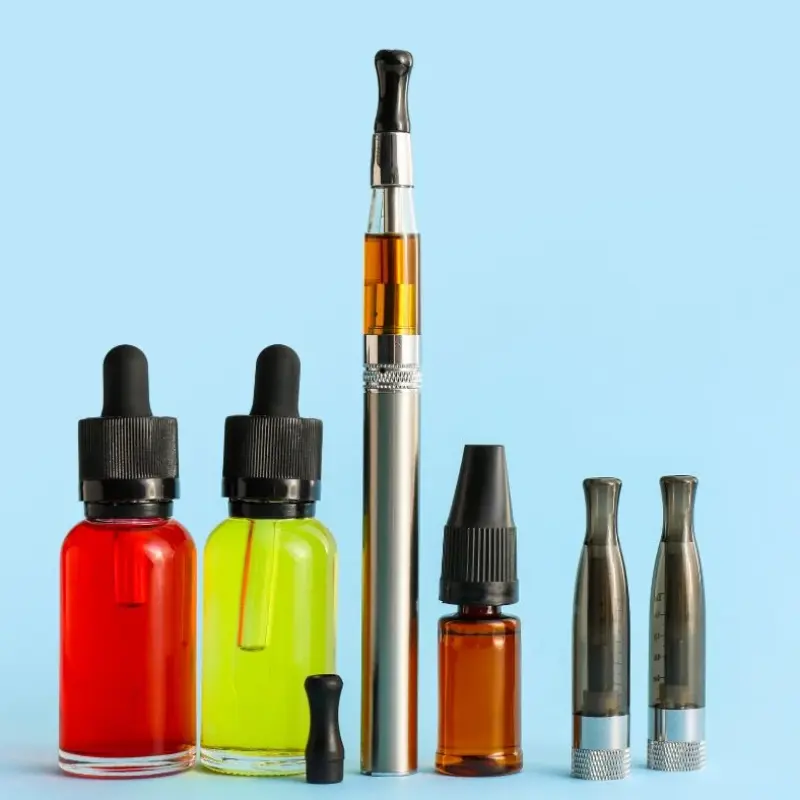
Stop Smoking Services may need to adapt procurement and budget lines to continue supplying starter packs or to signpost clients to affordable, regulated alternatives. Some smokers may be directed to refillable kits and e‑liquids rather than disposables; products such as 0mg Crystalize Bar Salts 120ml Longfill (50VG/50PG) + 6x free 20mg nicotine shots or the smaller 0mg Crystalize Bar Salts 60ml Longfill (50VG/50PG) + 3x free 20mg nicotine shots are examples of products that allow refillable devices to be used safely and more affordably over time.
Disposables ban: intended effects and early evidence of unintended consequences
The disposable ban was targeted at single‑use devices popular with young people. Early research and surveys, including work by the University of Bristol published in PLOS Global Public Health, found some adult disposable vapers anticipated the ban might prompt them to consider cigarettes, other nicotine products or illicit sources. These findings raise concerns that removing one product type without ensuring wide, affordable access to alternatives could have unintended consequences.
Services must therefore be proactive: supply training for practitioners, expand provision of legal refillable kits, and ensure clients understand safe ways to obtain nicotine — for example, via regulated e‑liquids, nicotine pouches or supervised starter packs — rather than illicit or risky products.
Practical impact on Stop Smoking Services
- Procurement and budgets: Increased product costs may force services to prioritise who receives free starter packs and to seek bulk procurement deals.
- Service models: Greater emphasis on refillable systems and behavioural support will be important. NICE and NCSCT recommend combining nicotine vaping products with tailored behavioural support.
- Training and messaging: Staff need to explain changes clearly, reassure clients about safety relative to smoking, and offer options such as nicotine replacement therapy (NRT) or nicotine oral products like 0.5mg Tick Tock Nicotine Candy (12 drops) where appropriate.
- Monitoring unintended effects: Services should track whether price rises or product restrictions push people back to cigarettes or into illicit markets, and report trends to local public health teams.
Advice for smokers planning to quit
If you’re planning to quit, now is a good time to engage with your local Stop Smoking Service. Evidence shows success is higher when vaping is combined with support. Explore options beyond disposables — refillable pod systems or starter kits supported by a local service are sustainable and often cheaper long term. Where appropriate, ask about free starter packs or samples; if your service doesn’t provide them, they should be able to recommend reputable retailers and regulated products.
For some smokers, nicotine alternatives such as nicotine pouches or regulated oral nicotine drops can be part of a transition plan. Whatever the choice, aim to use licensed or well‑regulated products and avoid illicit sources.
Conclusion
The disposable vape ban and the upcoming Vaping Products Duty reflect a public‑health push to reduce youth vaping and environmental harm. On balance, official assessments predict net public‑health benefits — but the effects on adult smokers and Stop Smoking Services deserve careful management. Continuing to treat vaping as a harm‑reduction tool within structured cessation support, adapting service models to prioritise refillable systems, and protecting affordable access to starter kits will help ensure that price and product changes do not drive people back to the most harmful option: combustible cigarettes.
Stop Smoking Services, public health teams and smokers themselves will need to work together through 2026 and beyond to preserve quitting opportunities while meeting the goals of youth protection and waste reduction.